AI-powered thermal imaging tool may predict diabetic foot ulcer healing
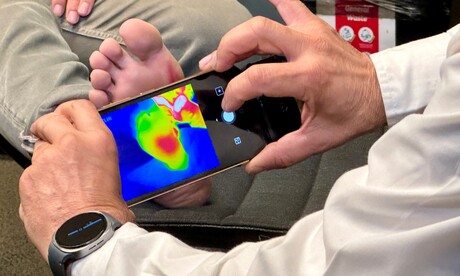
A smartphone-based AI tool called ‘THERMUL’ could, it is believed, potentially reduce hospitalisations and amputations. Using a lightweight thermal camera and informed by a clinical study at Austin Health and St Vincent’s Hospital Melbourne involving 110 patients, researchers took images of the patients’ ulcers when they initially presented to the clinic, with additional images captured two and four weeks later.
Clinicians then assessed at 12 weeks whether each ulcer had healed, allowing the research team to compare healing outcomes with the thermal image data collected earlier. The researchers used the data to train the AI model to identify heat patterns associated with ulcers that healed successfully and those that did not.
“These patterns may provide an early indication of a wound’s likely healing trajectory, potentially allowing clinicians to identify people who might benefit from earlier intervention or escalation of care,” said Professor Dinesh Kumar from RMIT’s School of Engineering, who led the development of THERMUL with Endocrinologist Professor Elif Ekinci, Head of the University of Melbourne’s Department of Medicine.
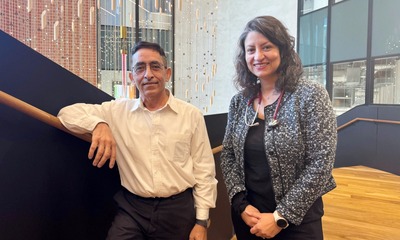
“Diabetes-related foot disease places a significant burden on individuals and the Australian health system, costing an estimated $875 million every year,” said Ekinci — who is also Director of the Australian Centre for Accelerating Diabetes Innovations (ACADI). “By enabling earlier identification of ulcers at risk of delayed wound healing, THERMUL has the potential to improve access to timely care and reduce complications.”
The prototype was developed using seed funding from ACADI. The research team has also received $490,539 through Australia’s Economic Accelerator program and $50,000 from the University of Melbourne’s Proof of Concept Fund, which will be used to validate the technology across a range of healthcare settings, including metropolitan, regional and remote services, and to further improve the predictive model.
**************************************************
An article on this research has been published open access in Journal of Diabetes Science and Technology and you can read it at doi.org/10.1177/19322968261501979.
**************************************************
Phone: 03 9925 2000
Svelte pull-up continence underwear
Svelte pull-up absorbent continence underwear is designed for mobile and semi-mobile adults.
Textiles play a key role in healthcare design
A well-designed therapeutic environment contributes greatly to how patients and families perceive...