Could this eco-friendly antimicrobial coating curb healthcare-associated infections?
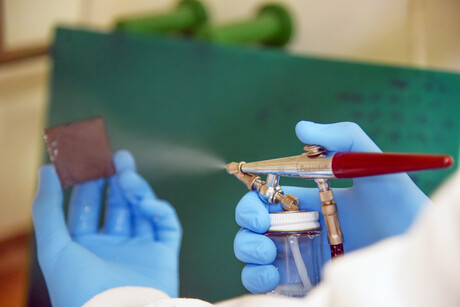
An eco-friendly antimicrobial coating made from Queensland agricultural waste is part of a two-year trial in the ICU of the Future at Brisbane’s The Prince Charles Hospital.
Healthcare-associated infections (HAIs) such as golden staph cost Australia’s health system $1 billion every year. Now, researchers from the University of Queensland (UQ) are testing the performance of an antimicrobial coating for hospital surfaces and equipment. The coating, NanoAM, was designed to improve patient safety and protect hospital staff from microbes in hospital environments, which include bacteria and viruses.
“The technology works by converting green waste, including sugar cane, banana and hemp, into long-lasting, hospital-grade surface protection,” said NanoAM lead developer Associate Professor Nasim Amiralian of UQ’s Australian Institute for Bioengineering and Nanotechnology.
“Acting as a sustainable, self-cleansing and non-toxic shield, the coating kills pathogens and prevents microbial build-up — in turn reducing hospital-acquired infections in vulnerable patients and prolonged hospital stays,” Amiralian said, adding: “We are also focused on protecting healthcare workers, who can easily pick up infectious bacteria during patient care, and finding ways to reduce that risk.”
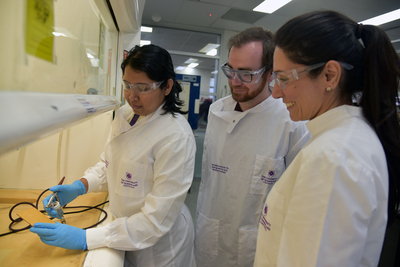
With infection accounting for 38% of all hospital-acquired complications and contributing to 7000 deaths each year, to address the risk, Amiralian said Queensland hospitals currently rely on chlorine or bleach-based disinfectants, approaches that “are short-lived — damaging surfaces, fuelling antimicrobial resistance, releasing toxic materials — while generating tonnes of chemical and hazardous healthcare waste across the state every year”.
Professor John Fraser from UQ’s Institute for Molecular Bioscience, Director of the Critical Care Research Group and an intensive care director and clinician, said: “For some time, we have recognised the devastating impact hospital-acquired infections can have on patients, often leading to increased use of antibiotics, contributing to antimicrobial resistance.
“The trial aims to reduce antimicrobial contamination in ICU on surfaces, making the hospital environment safer for patients and their caregivers,” Fraser added. If the trial is successful, Amiralian said the technology could be extended to other healthcare settings and applied to public services including food contact surfaces.
Preserving paediatric data beyond the point of care
A clinician-led, research-driven program for the care of babies and children seeks to securely...
Nurse-led infection control training program
A healthcare protective solutions supplier has targeted infection prevention gaps in hospitals...
Tiny gold particles power golden staph colour test
The rapid colour-changing test is designed to distinguish between different strains of golden...